UNDER THE RIVER THE DIRT (UNTER DEM FLUSS DER SCHMUTZ)
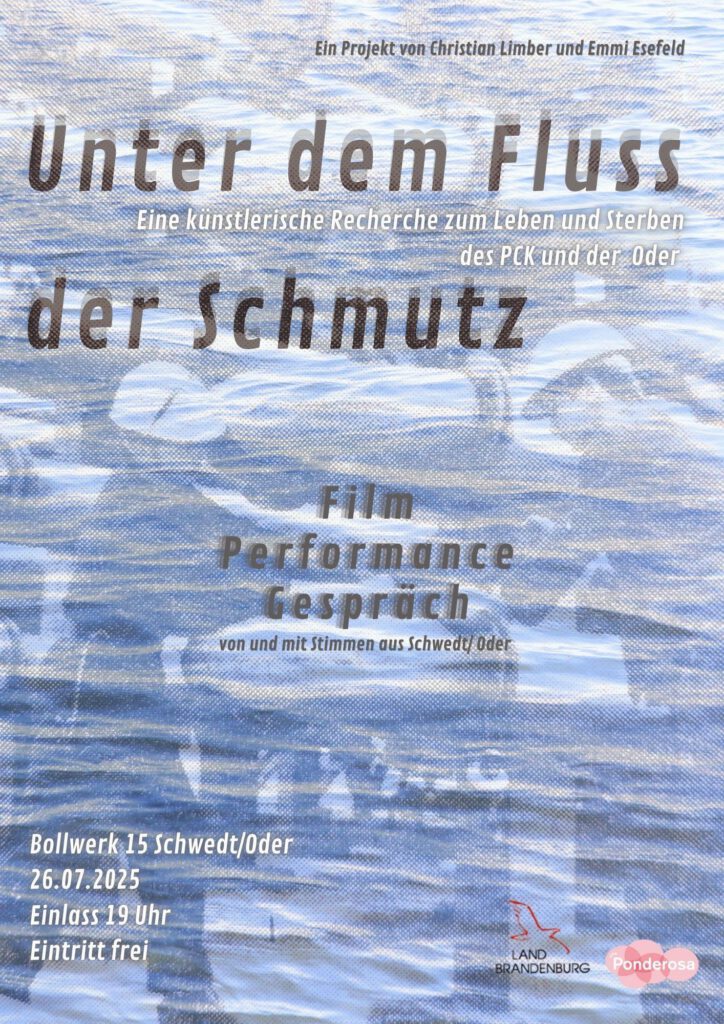
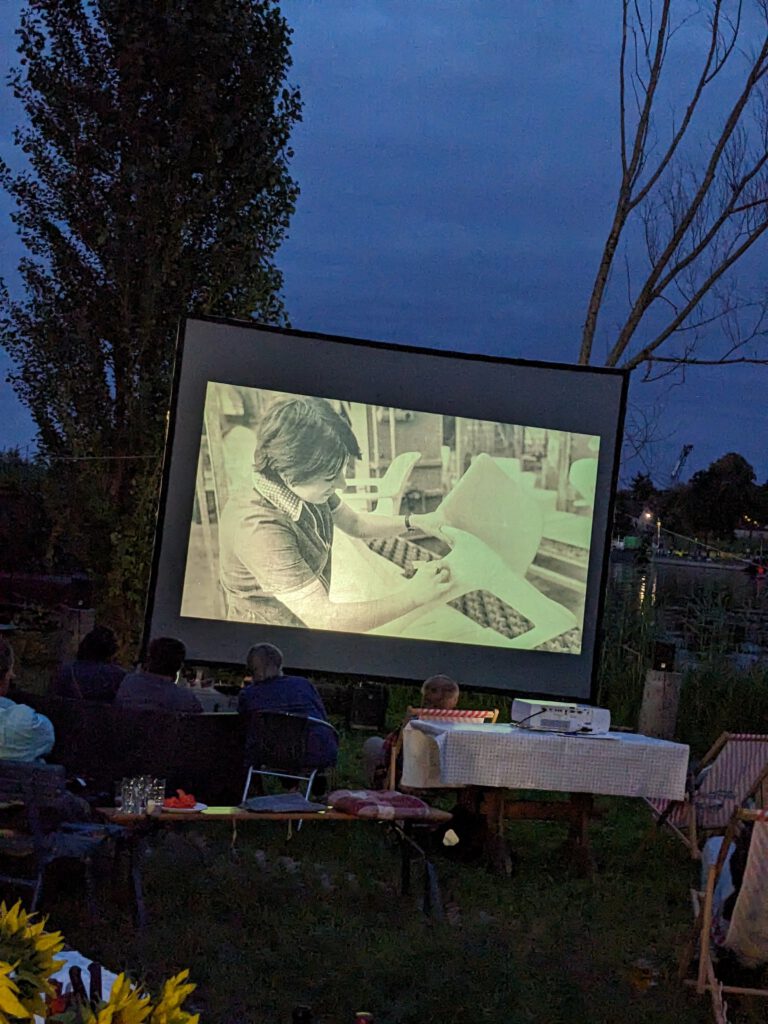
Unter dem Schmutz der Fluss” (Under the river the dirt) is an artistic research project with the aim of developing an audiovisual performance. Historical and socio-political connections between the PCK oil refinery in Schwedt/Oder and the Oder river form the core of the investigation. We are interested in how they shape the lives of people and nature in the region and what we can learn from recent environmental and political crises and disasters. What does the unloved dirt of history tell us?
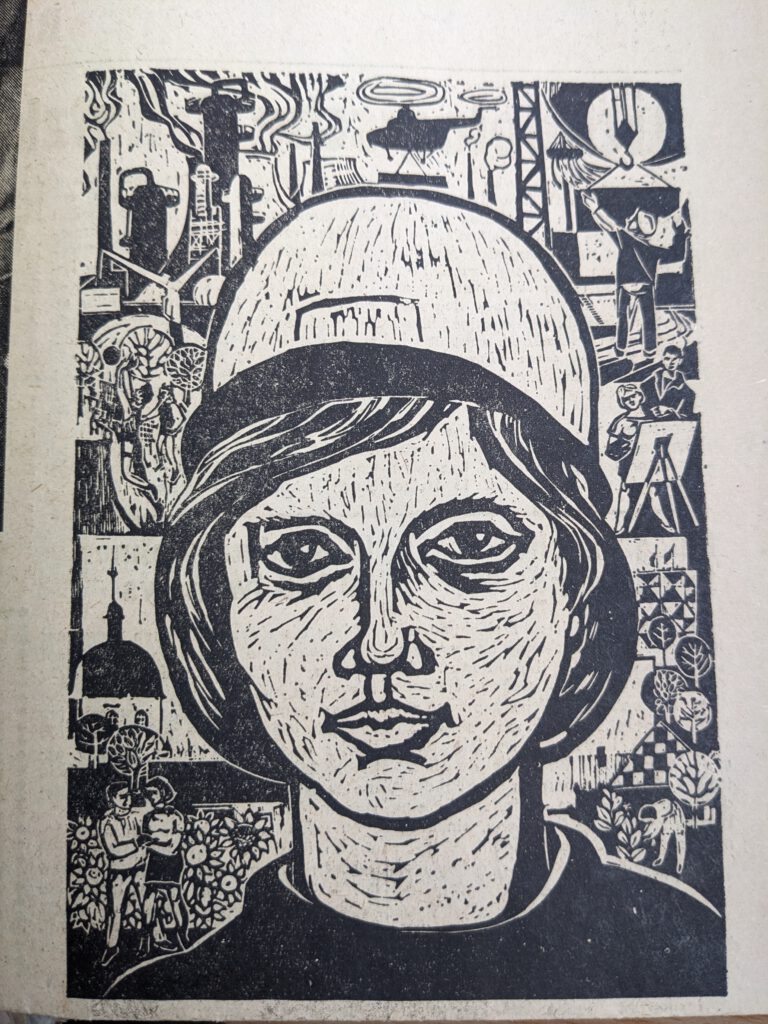
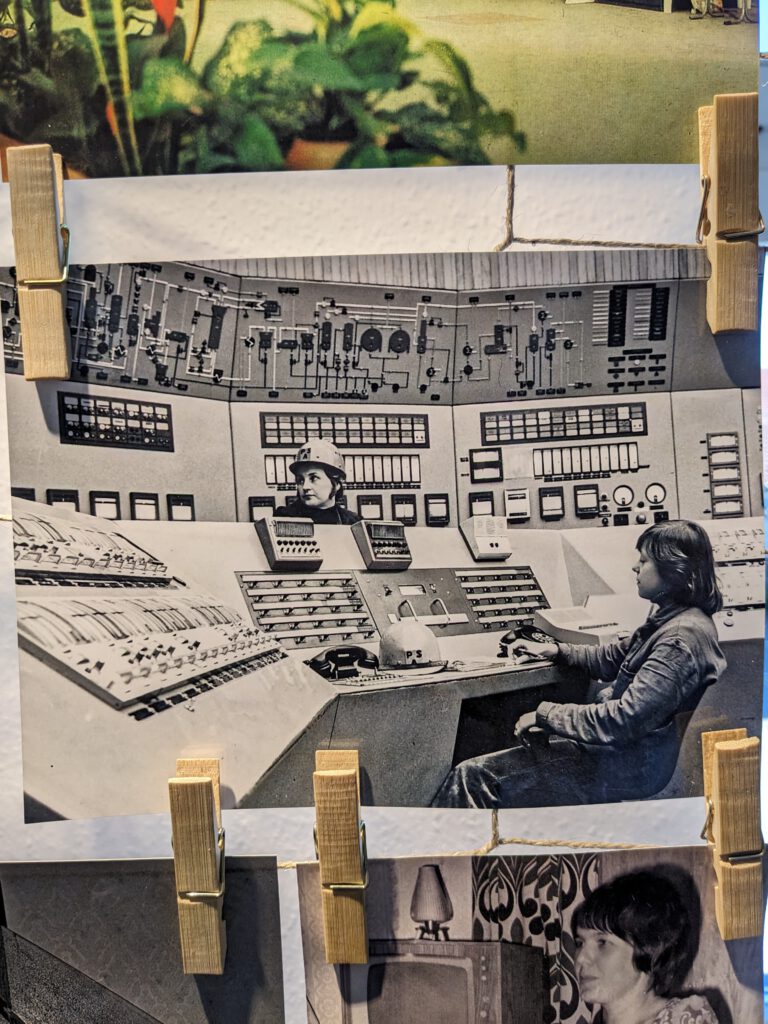
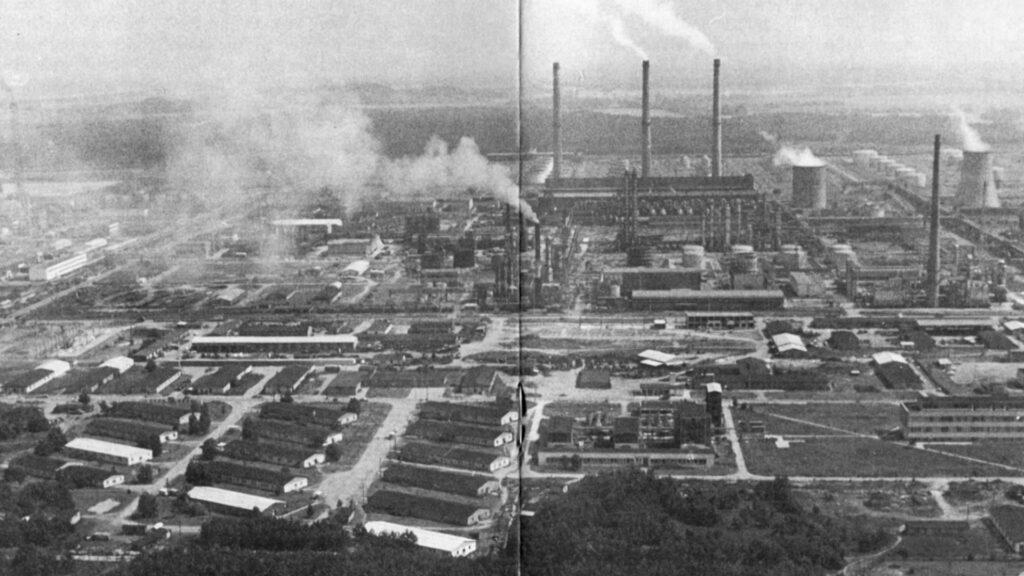
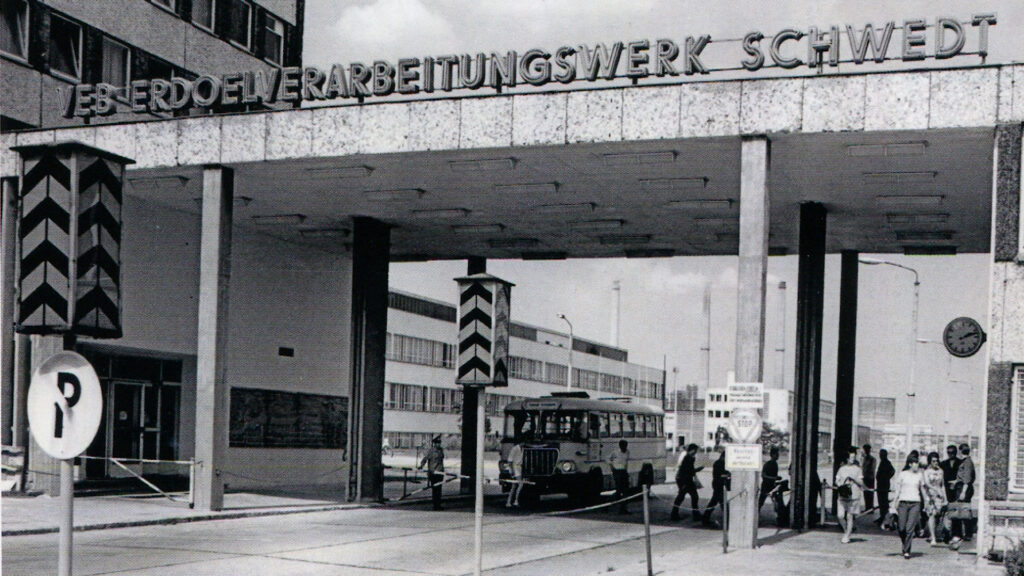
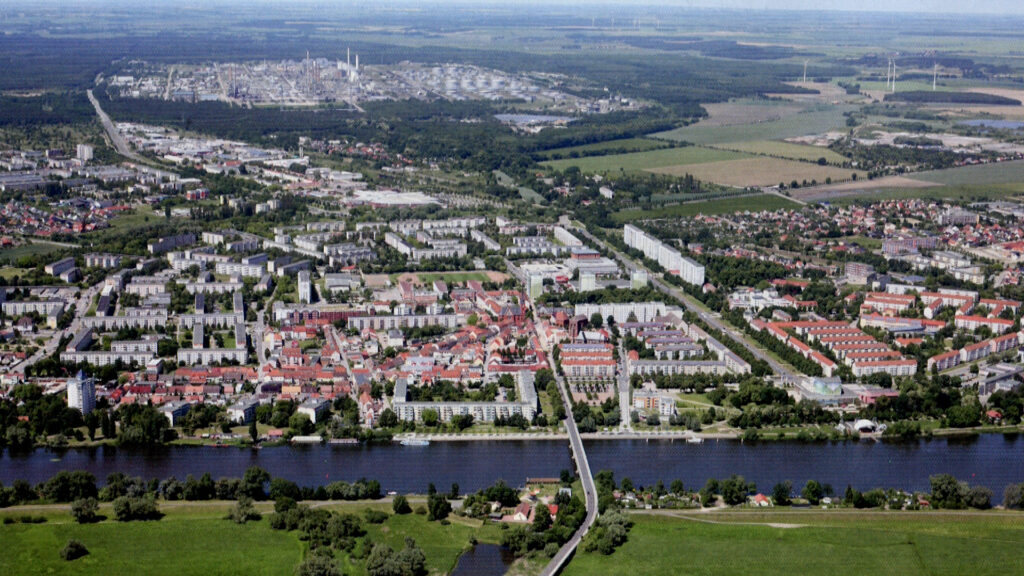
The oil refinery is the main supplier of petroleum in Berlin and Brandenburg. As the largest employer, it secures the city’s existence and creates its identity. People refer to it as a “lifeline”. The refinery became known in the course of the Russian war of aggression because large shares of the refinery belong to a Russian company. Today, hardly any petroleum flows.
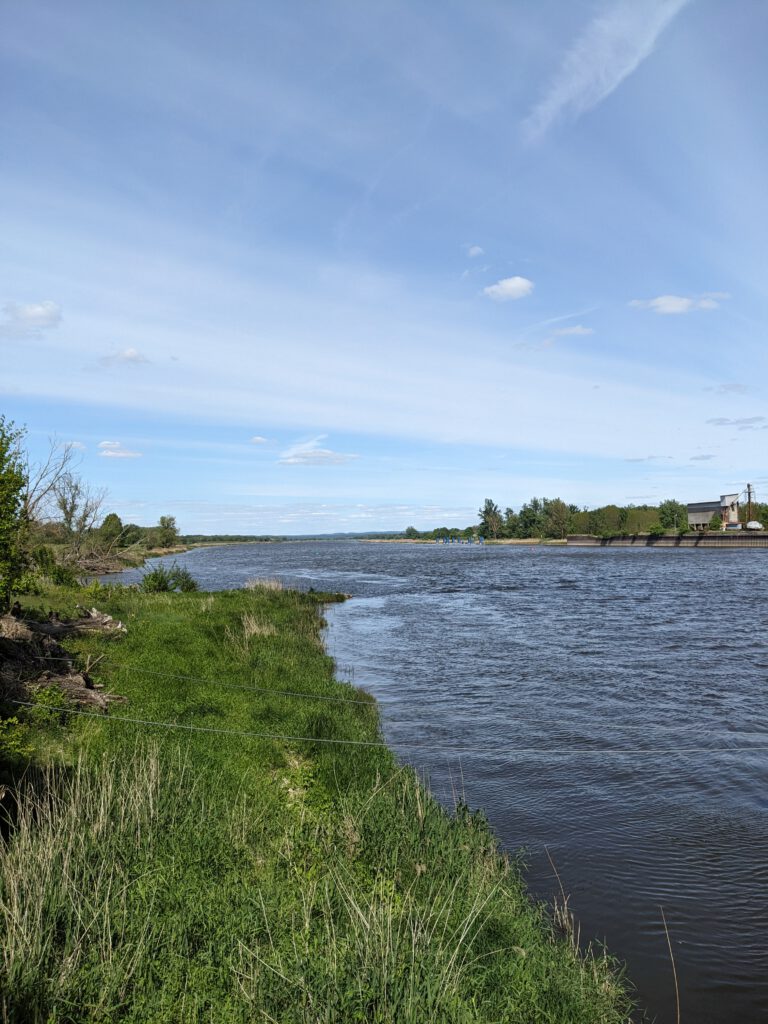
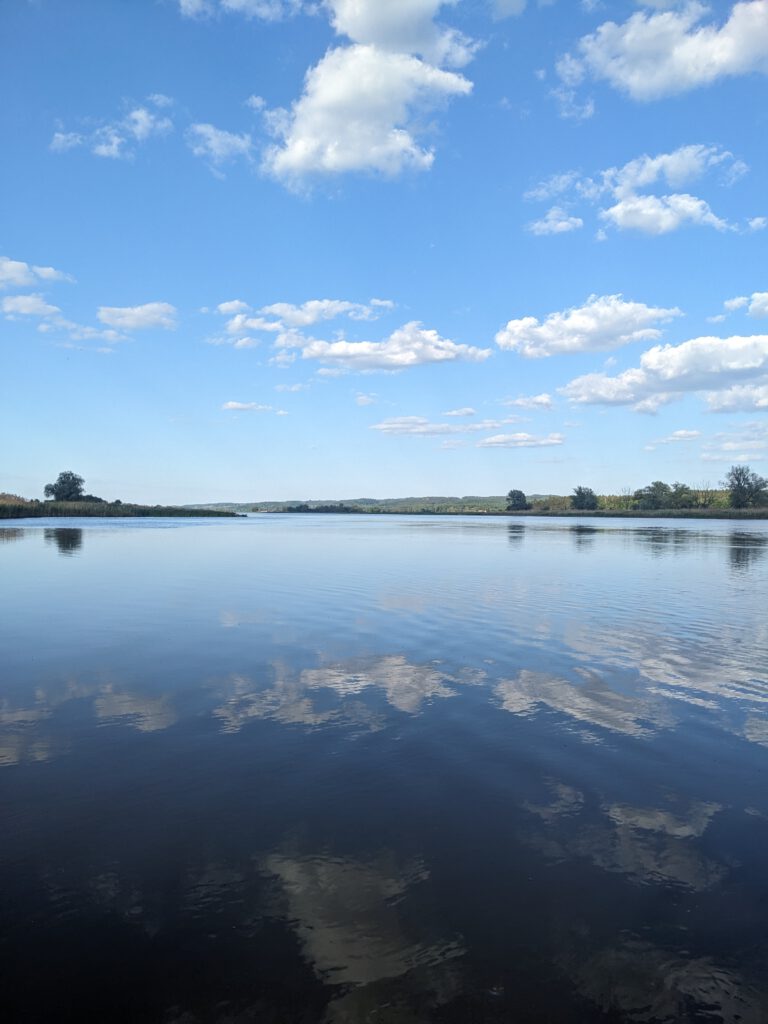
During the German Democratic Republic times, the refinery was a major source of environmental pollution, which heavily affected the Oder. The river not only remains industrially connected to the refinery, but is also the border between Poland and Germany and is always an important subject of political debate. For the cities and regions along the river, it is still not a binding element, and when it is, it manifests itself in the form of disasters and floods. In the summer of 2022, there was a catastrophe in which 140,000 tons of dead fish were salvaged from the Oder and a major dispute broke out between Poland and Germany.
Under all these crises and disasters, we see a destructive struggle against all forms of movements. We are interested in the interfaces between the Oder as a flowing body of water, oil as a fossil and fluid energy source and political movements. The destruction of natural resources and livelihoods and the fight against subversive and progressive-revolutionary movements are driven by the ruling economic and political classes.
This is the starting point of our artistic research. Everything that flows and moves is a danger for them. Difficult to control and difficult to master. The goal of destruction is stagnation. The following thoughts are relevant for us here:
Water bodies such as rivers are being dammed. Global water levels are falling due to climate change, making it impossible to move in and on rivers. Hydropower plants and pumps artificially channel water in a way that is beneficial to humans. Petroleum continues to be extracted and the liquid petroleum is burned to produce energy. The ecologically destructive consequences of extraction for the world’s oceans and rivers are devastating. Energy companies are profiting without any consideration or assumption of responsibility.
Director: Emmi Esefeld, Christian Limber
Special Thanks: Siegfried Mehl, Margot Mehl, Helmut Zahn, Evelyne, Isy und Team, Lauren Fitzgerald, Anke Grodon, Gudrun Eger, Katrin Boßdorf, Bianca Berlin, Susanne Rieck, Elli Limber,
Additional Support: Kulturverein Die Brücke e.V., Kulturpark Stolpe, Ponderosa e.V., Pizzeria Pane e piu, Nationalparkhaus Criewen, Nationalpark Unteres Odertal, Stadtarchiv und Stadtmuseum Schwedt/Oder
Thanks: Lara Dade, Mona Horst, Piera Hartung, Marie Esefeld, Quirin Fürbeck
Production: Emmi Esefeld, Christian Limber
Context: Artistic Research, Performance, Documentary Film
Funding: 2x Borderland Residency Program of Ponderosa e.V, Ministry of Science, Research and Culture of the federal state Brandenburg